
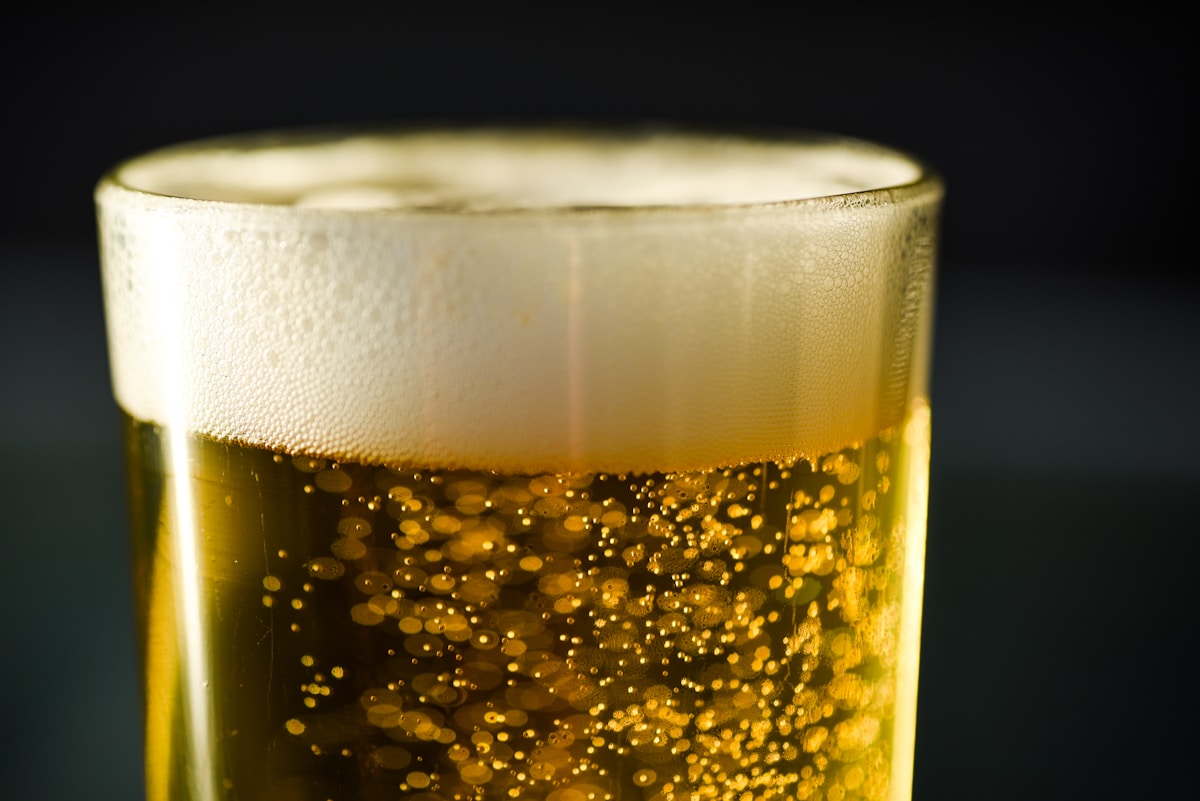
The hazy IPA era was built on excess. Double dry-hopped. Triple dry-hopped. 7% ABV. 8% ABV. Juice bombs that packed tropical fruit aromas and a punch. They dominated tap lists and shelf space for years. But in March 2026, the pendulum is swinging back. Session Hazy IPAs—heavy on aroma, light on alcohol—are replacing high-ABV juice bombs as the preferred daytime taproom pour for Millennial and Gen Z drinkers.
Call it the "Great IPA Correction." Drinkers still want the hazy experience: the cloudiness, the tropical fruit, the soft bitterness. They just don't want to be knocked out after two pints. Session Hazies deliver the flavor at 4–5% ABV, making them suitable for lunch, afternoon sessions, and occasions where moderation matters. Full Sail, Blackfoot River, and a growing roster of breweries are expanding their session hazy offerings. The trend is clear: less alcohol, same vibe.
The shift reflects broader consumption patterns. Younger drinkers are more conscious of alcohol intake. They want flavor without the consequences. Session Hazies are the hazy IPA's answer to that demand—and they're winning.
What Is a Session Hazy IPA?
A Session Hazy IPA is a lower-alcohol version of the New England–style hazy IPA. It maintains the signature characteristics: hazy appearance, tropical fruit aromas (guava, pineapple, mango), soft bitterness, and a smooth, pillowy mouthfeel. The difference is ABV—typically 4–5% instead of 6–8%—and a correspondingly lower original gravity.
Brewing a Session Hazy is technically demanding. You need to pack hop character into a lighter beer without making it thin or watery. The grain bill often includes flaked oats and carafoam for body and haze. Hop strategy shifts toward late additions and dry hopping—minimal bittering, maximum aroma. The goal is "full flavor at half the alcohol."
According to Full Sail Brewing, their Session Hazy IPA is 5.0% ABV, dry-hopped with Ekuanot and Mosaic, and features "fruity aromatics and juicy tropical flavor" with a "silky, smooth finish." It joined their Session Variety Pack in 2025 alongside Session Hefeweizen, Sesión Cerveza, and Session Premium Lager.
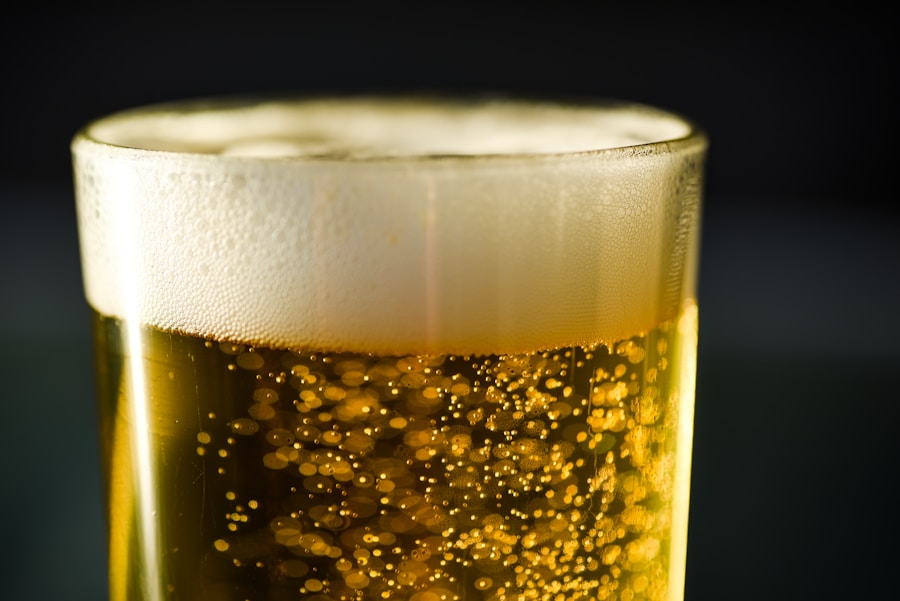
Session Hazy IPA: tropical aroma, low alcohol, full flavor. (Unsplash / YesMore Content)
Why the Correction Is Happening
Several factors are driving the Session Hazy trend. First, moderation. Younger drinkers are more likely to pace themselves, choose lower-ABV options, and avoid the "two-and-done" experience of high-ABV IPAs. Session Hazies let them stay longer, drink more pints, and still get the hazy flavor they love.
Second, occasion expansion. High-ABV juice bombs don't fit lunch, brunch, or afternoon sessions. Session Hazies do. They're built for "day drinking" in the best sense—social, flavorful, and sustainable across multiple rounds.
Third, market saturation. The hazy IPA category is crowded. Differentiation through ABV is one path. "Our hazy is sessionable" is a clear value proposition that stands out in a sea of 7% options.
Fourth, demographics. Gen Z is now fully in the legal drinking market. Their consumption patterns differ from older cohorts. They're more likely to choose lower-ABV, flavor-forward options. Session Hazies align with that.
The Brewing Challenge
Session Hazies are harder to brew than their high-ABV cousins. With less malt, there's less body. With less alcohol, there's less perceived sweetness and weight. Brewers compensate with oats, wheat, and specialty malts; with aggressive dry hopping; and with careful yeast selection. The margin for error is smaller. A thin or watery Session Hazy fails. A well-executed one succeeds.
Homebrew Academy and similar resources recommend a grain bill heavy on pale malt (79–80%) with flaked oats (9%) and carafoam (8%) for haze and mouthfeel. Hop strategy: minimal boil additions, maximum late and dry-hop character. Target OG 1.050–1.059, ABV under 5%, IBU 30–45. The result is approachable, drinkable, and still unmistakably hazy.
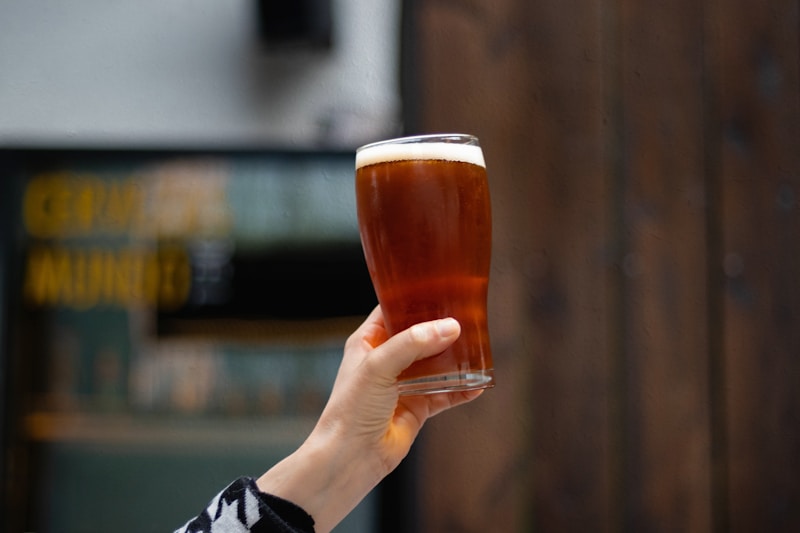
Session Hazy: the daytime pour for the hazy generation. (Unsplash / tito pixel)
What It Means for Breweries
For breweries with a hazy IPA in the lineup, adding a Session Hazy is a logical extension. It captures occasions that the flagship can't—lunch, afternoon, multi-pint sessions—and it speaks to drinkers who want flavor without the alcohol. The style is also a natural fit for variety packs and taproom-only offerings.
The risk is cannibalization. Will a Session Hazy steal sales from the flagship? In many cases, it will capture incremental occasions rather than replace them. A drinker who would have had one 7% hazy might have two or three Session Hazies. The net effect can be positive—more volume, more engagement, and a broader appeal.
The Synthesis: Flavor Without the Punch
The Session Hazy trend is part of a larger pattern: flavor without the punch. It's the same impulse driving NA beer, hard seltzers, and lower-ABV cocktails. Consumers want the experience—the taste, the ritual, the social aspect—without the consequences. Session Hazies deliver that for the hazy IPA category.
The "Great IPA Correction" isn't a rejection of hazies. It's an evolution. The style that defined craft beer for a decade is maturing. It's becoming more versatile, more accessible, and more aligned with how people actually drink. Full Sail, Blackfoot River, and a growing roster of breweries are betting on it. The Session Hazy is no longer a curiosity—it's a category. Backbar Academy and other industry educators have noted the shift: daytime taproom pours are trending lower in ABV. The 7% juice bomb that dominated 2019 is giving way to the 4–5% Session Hazy in 2026. Breweries that add a credible Session Hazy to their lineup will capture the correction's upside—drinkers who want the flavor without the punch, and occasions that high-ABV hazies can't serve.
The Style Definition
Session Hazy IPA sits at the intersection of several style families. It has the haze and hop character of a New England IPA. It has the sessionability of a British session ale or an American session IPA. The technical challenge is maintaining body and mouthfeel at lower gravity. Brewers use oats, wheat, and specialty malts to add weight. They minimize bittering hops and maximize late and dry-hop additions to preserve aroma without excessive IBUs. The target is "hazy IPA flavor at half the alcohol"—a clear value proposition that resonates with drinkers who love the style but want to pace themselves. The style is still evolving. As more breweries release Session Hazies, we'll see a range of interpretations—some closer to 4% ABV, some at 5%, some with more bitterness, some with more fruit. The category has room to grow.
Portfolio Strategy for Breweries
For breweries with a hazy IPA lineup, the Session Hazy can serve multiple roles. It can be a gateway—an entry point for drinkers who find 7% hazies too heavy. It can be a variety pack anchor—Full Sail's approach of including Session Hazy in a rotating pack creates trial and repeat. It can be a taproom staple—the beer you recommend to someone who wants "something hoppy but not too strong." And it can be a distribution play—a lower-ABV option that appeals to retailers and accounts that are cautious about high-alcohol SKUs. The key is positioning: Session Hazy isn't a downgrade from the flagship. It's a different occasion. "Our hazy for when you want more than one" is a clear, compelling message. Breweries that nail that positioning will capture the correction's upside.
Sources: Full Sail Brewing – Session Hazy IPA; Brew Public – Full Sail Session Hazy IPA; Homebrew Academy – How to Brew Hazy Session IPA; Blackfoot River Brewing – Hazy Session IPA; Backbar Academy – Session IPA trends.
Operational discipline matters when you're managing a diverse IPA portfolio. BrewLedger helps craft breweries track inventory, batches, and production—see how it works when you're ready.