
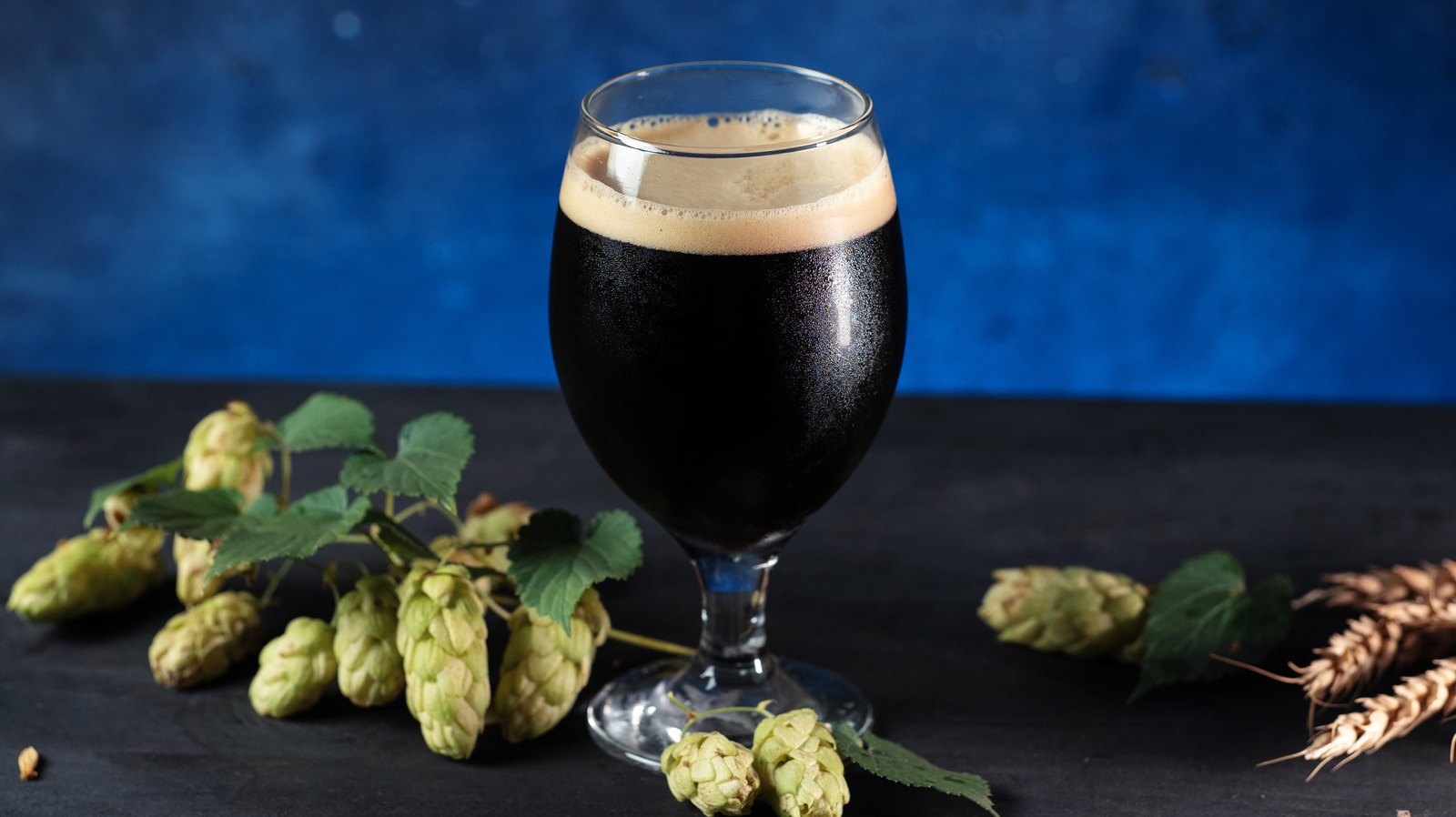
Porter is one of the great historic beer styles—a dark, malty, well-hopped ale that emerged in London in the early 18th century and became the first beer style to be brewed and exported around the world. It gave rise to stout, influenced brewing across Europe and America, and after a long decline was revived by the craft beer movement. Today, porter exists in multiple substyles, from the classic English brown porter to the stronger Baltic porter and the hoppier American porter. The distinction between porter and stout has blurred, but the style remains a favorite among dark beer lovers. Here's everything you need to know: what porter is, how it's made, how it compares to stout and other dark beers, and which retail options are worth seeking out.
What Is Porter?
Porter is a dark ale characterized by its use of dark malts—brown malt, chocolate malt, black malt, or combinations thereof—which give it a deep brown to nearly black color and flavors of chocolate, coffee, caramel, and toffee. It is typically well-hopped for balance, medium to full in body, and ranges from about 4% to 6% ABV in its standard form, though imperial porters can reach 8% to 10% or higher. The Beer Judge Certification Program (BJCP) describes porter as "a substantial, malty dark ale with a complex and flavorful roasty character." Unlike stout, which traditionally emphasizes roasted barley and a drier, coffee-like roast, porter tends toward chocolate and caramel notes with a sweeter, smoother profile. That said, the line between the two has become increasingly fuzzy in modern craft brewing.
The History of Porter
Porter was first mentioned by name in 1721, though it developed from the brown beers already being produced across London. The innovation is attributed to Ralph Harwood, a brewer at the Bell Brewhouse in Shoreditch, who created a beer using brown malt that was well-hopped and dark in appearance. The name is believed to have come from its popularity among London's porters—laborers who carried goods around the city and unloaded ships. Porter was revolutionary for two reasons. First, it was one of the first beer styles to be aged at the brewery and delivered ready to drink, rather than requiring publicans to age and blend it themselves. Second, it could be produced on a large scale. Breweries like Whitbread, Truman, Parsons, and Thrale achieved enormous success, and porter became the dominant beer in London for over a century.
Early London porters were strong by modern standards—around 6.6% ABV. Taxation during the Napoleonic Wars pushed the strength down, and by the mid-19th century porter had settled at a more moderate gravity. Brewers also produced stronger variants: Single Stout Porter, Double Stout Porter (Guinness was originally "Extra Superior Porter" before it was renamed "Extra Stout" in 1840), Triple Stout Porter, and Imperial Stout Porter. Over time, the "porter" suffix was dropped from the stronger versions, and "stout" became its own category. Porter was exported worldwide—to Ireland by the 1730s, North America and the Baltic by the 1740s, and India by the 1760s. It was the first beer style to achieve true global distribution.
Porter's popularity waned in Britain in the late 19th and early 20th centuries. Lighter beers gained favor, and the last British porter was produced in 1941. The style was revived in the 1970s—Anchor Brewing released a porter in 1972, and British microbreweries began producing it again by the end of the decade. Fuller's London Porter, Wickwar Station Porter, and others helped reestablish the style. Today, dozens of breweries in Britain and hundreds in the United States produce porter.
Porter vs. Stout: A Style Comparison
The relationship between porter and stout is inseparable. Stout began as "stout porter"—a stronger version of porter. Guinness Extra Stout was originally "Extra Superior Porter." Over time, Irish brewers in particular embraced roasted barley (unmalted) in their dark beers, which created a drier, more coffee-like character. That distinction—roasted barley in stout, chocolate and black malt in porter—became one way to tell them apart. The BJCP defines stout as "a very dark, roasty, bitter, creamy ale" and porter as "a substantial, malty dark ale with a complex and flavorful roasty character." In practice, stout tends to be roastier, heavier, and more bitter; porter tends to be sweeter, lighter in body, and more chocolate-forward.
But craft brewers have blurred these lines. Many porters use roasted barley; many stouts use chocolate malt. American brewers have created hoppy porters and imperial porters that overlap with imperial stouts. As one brewer put it in Craft Beer & Brewing: "In many cases the only difference between porters and stouts is the name on the label." When designing a stout, brewers often use multiple dark malts including roasted barley for coffee and roast character. When designing a porter, they often focus on chocolate malt and crystal malts for sweetness and approachability. But there are no strict rules. The best approach is to taste widely and let your palate guide you—if you like one, you'll likely enjoy the other.
Porter Styles: English, American, and Baltic
English Porter is the classic: brown to dark brown, with flavors of chocolate, toffee, caramel, and a gentle roast. It's moderate in strength (4%–5.5% ABV), medium-bodied, and balanced. Some substyles include Brown Porter (lighter, more caramel) and Robust Porter (darker, more roast). English porters often use brown malt, chocolate malt, and black malt—no roasted barley. The hop character is usually subdued, with earthy or floral notes. Fuller's London Porter is the benchmark.
American Porter is often hoppier and more assertive. American craft brewers have pushed the style with more hop character, stronger roast, and sometimes higher alcohol. Deschutes Black Butte Porter, Founders Robust Porter, and Great Lakes Edmund Fitzgerald are well-known examples. American porters can overlap with American stouts—both may be bold and roasty. The key is that American porters tend to retain more malt sweetness and chocolate character than their stout counterparts.
Baltic Porter is a different beast. It originated when British imperial stouts were exported to the Baltic region in the 18th and 19th centuries. Local brewers replicated them using lager yeast and cool fermentation, so Baltic porter is technically a lager despite its dark, ale-like character. It's stronger (6.5%–9.5% ABV), sweeter, and often has notes of dark fruit, licorice, and molasses. Polish breweries like Żywiec and Okocim produce excellent Baltic porters. Finland's Sinebrychoff, Estonia's Põhjala, and American craft brewers have also embraced the style. Baltic Porter Day is celebrated annually on the third Saturday of January, started in Poland in 2016.
How Porter Is Made
Porter is brewed like any other ale: malted barley (and sometimes other grains) is mashed, the wort is boiled with hops, then fermented with ale yeast. The difference is in the malt bill. Traditional porters use a base of pale malt with a significant proportion of dark malts—chocolate malt, black malt, brown malt, and/or crystal malt. Chocolate malt contributes cocoa and coffee notes; black malt adds color and a sharper roast; brown malt (the original porter malt) adds nutty, biscuity character; crystal malt adds caramel sweetness. Modern brewers have access to hundreds of malt varieties, so the combinations are endless. Some porters include flaked oats or barley for creaminess. Hops are added for balance—English varieties like Fuggles and East Kent Goldings for the classic style, American varieties for the hoppier American version. Fermentation is typically at ale temperatures (65–70°F). Some porters are aged in bourbon or other spirit barrels for additional complexity.
For homebrewers, a simple porter might use 80% pale malt, 8% crystal malt, 6% chocolate malt, and 6% black malt. Adjust the dark malts to taste—more chocolate for sweetness, more black for roast. Target an original gravity around 1.050–1.056 for a standard-strength porter. Hops to 25–40 IBUs. Ferment with an English or American ale yeast. The result should be dark, malty, and balanced.
Popular Retail Porters
Fuller's London Porter is the gold standard for English porter. Rich, complex, with chocolate, coffee, and toffee notes, it has won multiple international awards. Available in bottles and cans, it's widely distributed in the U.S. and U.K.
Deschutes Black Butte Porter from Bend, Oregon, is an American classic. Smooth, with chocolate and coffee notes, it's approachable and consistently excellent. Year-round and easy to find.
Founders Robust Porter from Grand Rapids, Michigan, is bigger and bolder—more roast, more chocolate, more body. A winter seasonal that has developed a cult following.
Great Lakes Edmund Fitzgerald Porter is another American benchmark. Named after the ship that sank in Lake Superior, it's roasty, smooth, and well-balanced. Available in the brewery's distribution footprint.
Anchor Porter from San Francisco helped revive the style in America. It's been brewed since 1972 and remains a reliable, flavorful example.
Żywiec Porter from Poland is a classic Baltic porter—strong (9.5% ABV), rich, with dark fruit and licorice notes. Worth seeking out if you want to explore the Baltic style.
Samuel Smith's Taddy Porter is a traditional English porter from Yorkshire. Nutty, malty, and satisfying, it's a textbook example of the style.
Left Hand Brewing Hard Wired Nitro Coffee Porter and Founders Breakfast Stout (technically a stout, but often grouped with porters in tastings) show how American brewers have pushed the style with coffee, chocolate, and nitrogen carbonation. Bell's Porter from Michigan is another widely distributed American option—smooth, roasty, and reliable. For Baltic porter, look for Okocim Porter from Poland or Sinebrychoff Porter from Finland. Craft breweries across the U.S. produce seasonal and year-round porters; check your local bottle shop for regional options.
Porter vs. Other Dark Beers
Beyond stout, porter sits alongside other dark styles. Schwarzbier is a German dark lager—lighter in body, with a clean, crisp character. Dunkel is a Bavarian dark lager with malt sweetness but less roast. Bock and Doppelbock can be dark and malty but are lagers with a different fermentation profile. Porter is an ale, and its character comes from the combination of dark malts and ale yeast. If you enjoy porter, you'll likely also enjoy dry stout (like Guinness), milk stout (sweeter, with lactose), and imperial stout (stronger, more intense). The dark beer family is broad; porter occupies the maltier, chocolate-forward end of the spectrum.
Ireland, America, and the Global Spread of Porter
Porter was first brewed in Ireland in 1776. Arthur Guinness began brewing porter at St. James's Gate in 1787 and had phased out all other beer types by 1799. Beamish and Crawford and Murphy's in Cork followed suit. In Ireland, porter was known as "plain" or "plain porter"—the drink in Flann O'Brien's poem "A pint of plain is your only man." Extra-strong porter was called "stout porter," which eventually became simply "stout." The last Guinness Irish porter was produced in 1974, though the company launched a revival based on a 1796 recipe in 2014. Irish brewers adopted patent malt (black malt) earlier than English brewers, which gave Irish porter and stout a different character—drier, more roasted.
In the United States, porter was commercially brewed in the 18th century, especially in New England and Pennsylvania. After lagers arrived in the 1850s, some American brewers began making porter with lager yeast. American porters sometimes included adjuncts like maize and molasses. With the craft brewing movement, American porters returned to traditional methods while also embracing innovation—more hops, barrel aging, and creative adjuncts like pumpkin, honey, vanilla, and chocolate. Today, American craft porters are among the most diverse and interesting in the world.
Serving and Pairing Porter
Porter is best served at cellar temperature (50–55°F) or slightly cooler. Too cold and you'll mute the malt complexity; too warm and it can taste flabby. Pour into a pint glass or a nonic. A proper pour will produce a tan to brown head that holds well. Porter pairs brilliantly with roasted meats, barbecue, smoked foods, and aged cheese. The malt sweetness complements the char and smoke. Chocolate desserts work well—porter and chocolate cake or brownies are a classic combination. Oysters and stout get more attention, but porter and oysters also pair nicely. For a full experience, try a flight of English, American, and Baltic porters side by side to taste the style's range.
Sources: Wikipedia – Porter (beer); Craft Beer & Brewing – What, Exactly, Is the Difference Between Stout and Porter?; Britannica – Porter; Baltic Porter Day – History of the Style.
Operational discipline matters when you're brewing porters and tracking dark malt usage. BrewLedger helps craft breweries track inventory, batches, and production—see how it works when you're ready.