
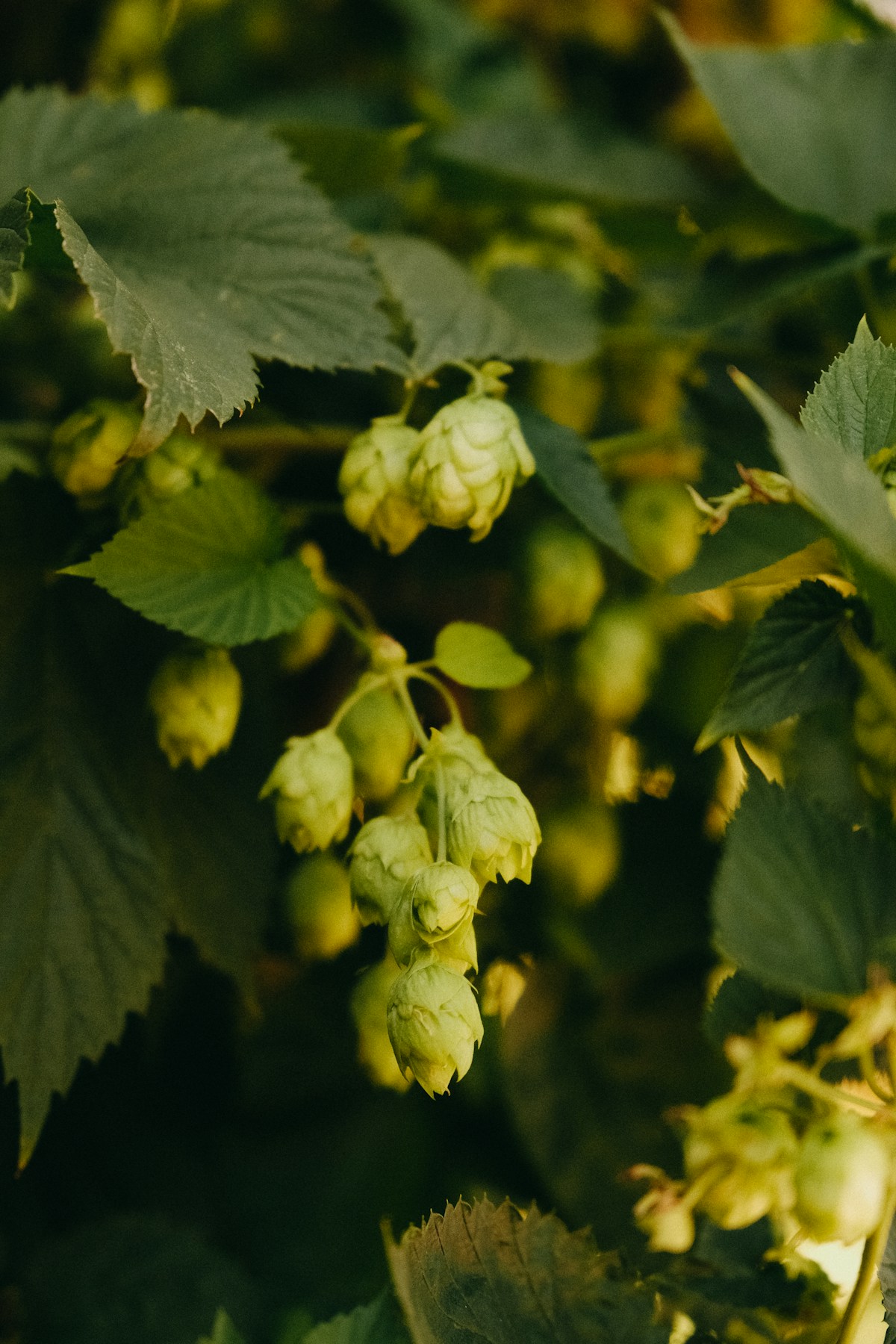
Wine has terroir. Coffee has terroir. Whiskey has terroir. Beer? For a long time, the answer was "mostly no." Hops and barley were commodities—sourced from established growing regions like the Pacific Northwest, Germany, and the Czech Republic. The idea that soil, climate, and geography could shape beer flavor the way they shape wine was largely theoretical.
That's changing. In March 2026, the first commercial beers brewed with hops grown in the volcanic soil of Israel's Golan Heights are being evaluated for their unique mineral profile. The project—a collaboration between a Golan Heights hop grower and Tel Aviv's White Rabbit Brewery—represents a milestone for the "terroir-driven" beer movement. It's proof that hops can express place, and that new growing regions can add something distinctive to the global beer landscape.
The Golan Heights are geologically distinct. Volcanic basalt soils, high elevation, and a Mediterranean climate create conditions that may—or may not—produce hops with a character different from Yakima Valley or Hallertau. The fact that brewers are exploring the question is the story.
From Vineyard to Hop Yard
Noam Amar's family owns a vineyard on Moshav Odem in the Golan Heights. When the Golan Regional Council offered a stipend to cultivate something different, Amar turned to hops. He developed five varieties—Cascade, Chinook, Comet, Centennial, and Zeus—which grew successfully under local conditions. The result: the first Israeli-grown hops to reach commercial beer.
According to The Jerusalem Post, White Rabbit Brewery in Tel Aviv brewed the inaugural commercial beer using these Israeli-grown hops, selecting Cascade for its bittering and aromatic qualities. Around 1,200 liters were produced and served at a public unveiling event called "Beerjolai's," inspired by French Beaujolais wine celebrations—a fitting nod to the terroir concept.
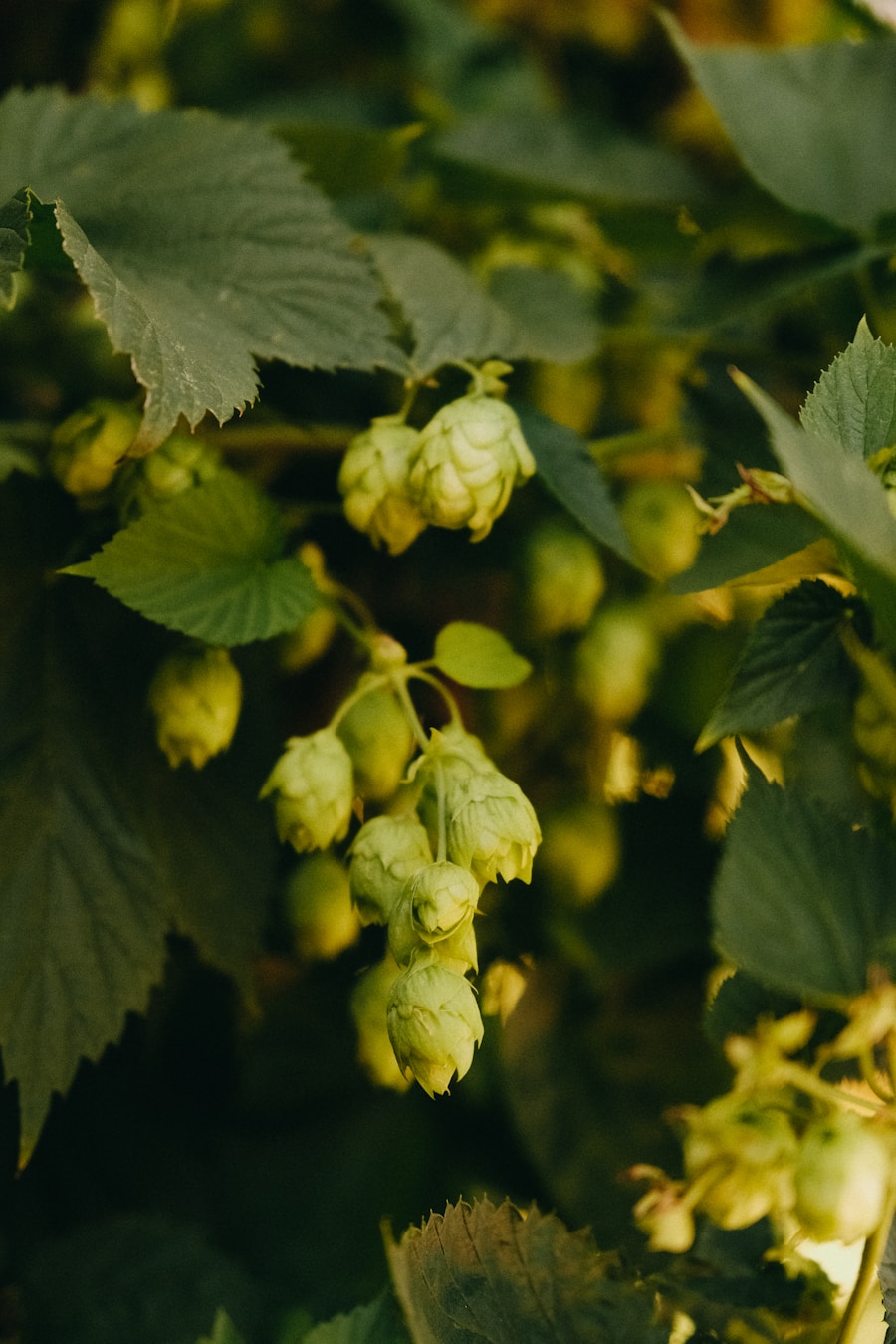
Hops harvest—Israeli-grown hops from the Golan Heights bring terroir to beer. (Unsplash / Josh Olalde)
Why Volcanic Soil Matters
Volcanic soils are rich in minerals—potassium, phosphorus, magnesium, and trace elements—and typically have good drainage. They're associated with distinctive wine character in regions like Sicily, Oregon's Willamette Valley, and the Canary Islands. The question for hops: does the same mineral profile translate into distinctive flavor or aroma?
The answer isn't yet definitive. Hop character is influenced by variety, harvest timing, drying, and storage—not just soil. But the Golan Heights project offers a controlled experiment: the same varieties grown in different soil and climate could produce different results. That's the premise of terroir—the same grape (or hop) in different places yields different expressions.
The Terroir-Driven Beer Movement
The "terroir-driven" beer movement has been building for years. Breweries have experimented with local ingredients, heritage grains, and foraged botanicals. The focus has often been on malt—barley grown in specific regions, heirloom varieties, terroir-expressive grain. Hops have been slower to join the conversation, in part because the major growing regions are so well established.
Israeli hops change that. They're a new origin, a new story, and a new data point. If Golan Heights Cascade tastes different from Yakima Cascade—or if it doesn't—that matters for how we think about hop terroir. The project is as much a research initiative as a commercial one.
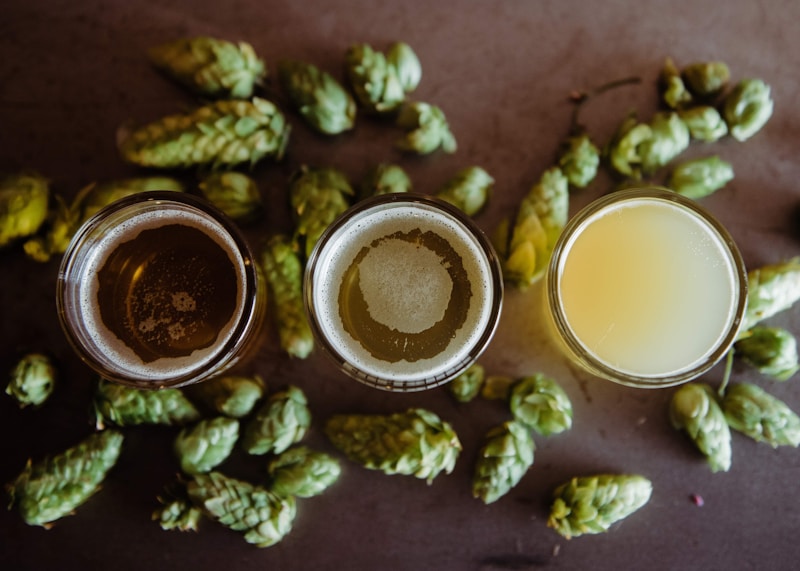
Terroir-driven beer: place, soil, and climate in every sip. (Unsplash / Missy Fant)
Golan Brewery and the Local Scene
The Golan Heights already have brewing heritage. Golan Brewery, founded in 2006 in Qatzrin, won Best Israeli Brewery at the BIRA 2011 competition and produces around 130,000 liters annually. The region has the infrastructure and the culture. Adding locally grown hops creates a closed loop: Golan beer, Golan hops, Golan terroir.
For Israeli craft beer, the development is significant. It reduces dependence on imported hops, creates a narrative for local brands, and positions Israel as a potential hop-growing region. Whether the scale ever rivals the Pacific Northwest is beside the point—the existence of Israeli hops is a win for diversity and experimentation.
The Science of Hop Terroir
The idea that soil and climate affect hop character is not new. German Hallertau hops are prized for their delicate, noble character. Pacific Northwest hops are known for bold citrus and pine. The question is whether the Golan Heights—with volcanic basalt soils, high elevation, and a Mediterranean climate—produce a distinct expression. Early reports suggest the Cascade grown by Noam Amar performs well and delivers recognizable character. Whether it's different from Yakima Cascade in a meaningful way will require side-by-side brewing trials. The terroir hypothesis is testable. If Israeli Cascade tastes the same as American Cascade, terroir may matter less for hops than for grapes. If it tastes different, we have a new data point for the "geology in the glass" movement. Either way, the experiment is valuable.
The Commercial Scale Question
The White Rabbit Brewery's inaugural batch was around 1,200 liters—a small-scale proof of concept. The question is whether Israeli hops can scale. The Golan Heights have favorable conditions: volcanic soil, elevation, and a climate that supports hop growth. But commercial hop production requires infrastructure—harvesting equipment, kilns, cold storage—and a market willing to pay for the story. If Israeli hops can establish a niche as a premium, terroir-expressive ingredient, the economics could work. If they're seen as a novelty, the project may remain small. The "Beerjolai's" event—modeled on Beaujolais Nouveau—suggests an intentional effort to create a tradition and a narrative. That kind of storytelling can build demand. The next step is expanding acreage and securing more brewery partners. The Golan Brewery, with its established presence in the region, is a natural candidate to incorporate local hops into its lineup.
The Synthesis: Terroir as Differentiation
The Israeli hops story illustrates a broader trend: terroir as differentiation. In a crowded beer market, "local" and "place-based" are powerful. A beer made with hops from the Golan Heights has a story. It has a reason to exist beyond "it's another IPA." That's valuable for consumers who want meaning in their purchases and for breweries that want to stand out.
Israeli hops may never rival the Pacific Northwest in volume. But they don't need to. The value is in the story, the terroir, and the proof that new growing regions can contribute to the global beer landscape. The Golan Heights have given us wine for decades. Now they're giving us hops. Geology in the glass is no longer a theory—it's being evaluated on commercial taps for the first time in March 2026. The Golan Heights project has opened the door for other regions with distinctive geology—the Canary Islands, Patagonia, high-altitude Ethiopia—to explore hop cultivation. The terroir-driven beer movement is still young. Israeli hops are an early signal of where it might go.
Sources: The Jerusalem Post – Israeli-grown hops make it into commercial beer; Wikipedia – Golan Brewery; The Jerusalem Post – Israeli craft beers tell stories of war and recovery.
Operational discipline matters when you're tracking ingredient sourcing and lot documentation. BrewLedger helps craft breweries manage batches, inventory, and traceability—see how it works when you're ready.