
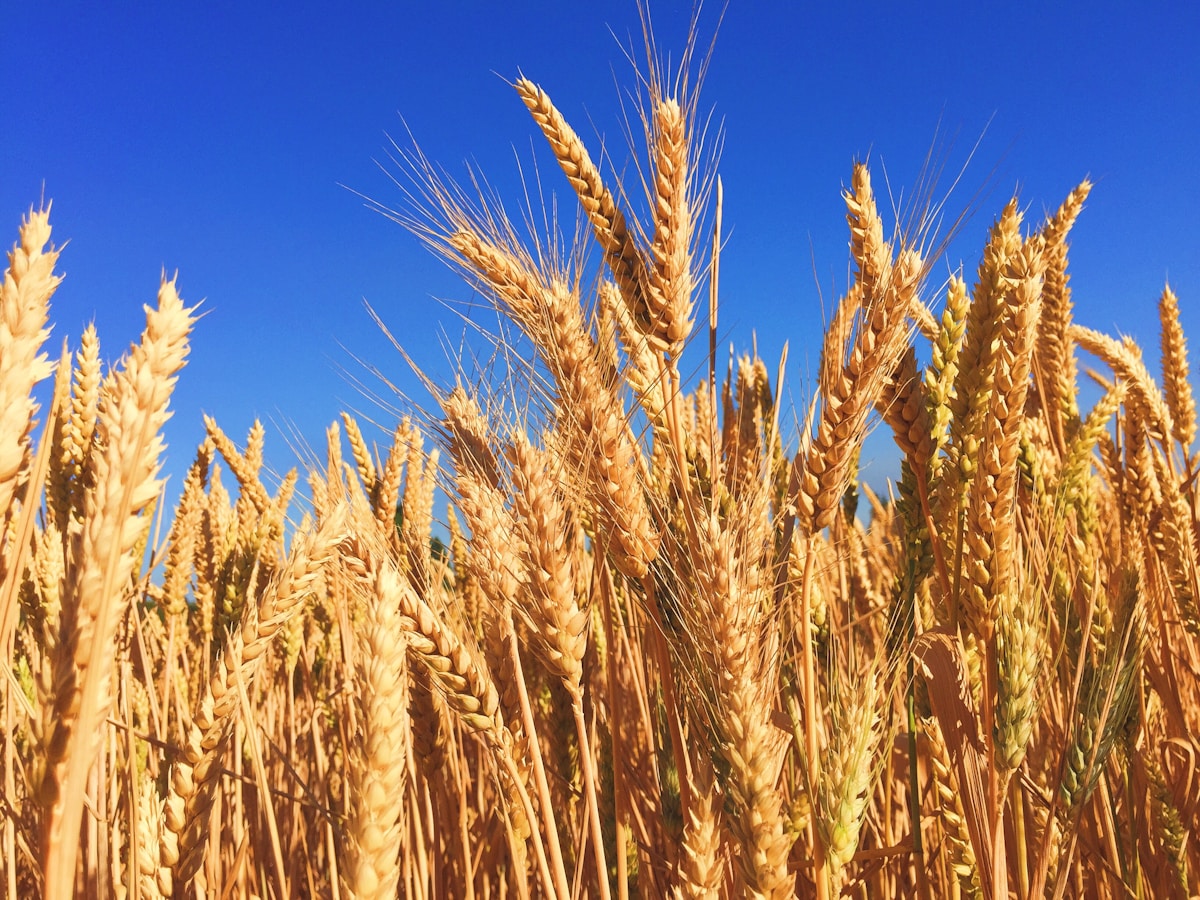
"Sustainable beer" has long been a marketing phrase. Breweries slap "organic" or "local" on labels, sponsor tree-planting campaigns, and talk about carbon neutrality. Rarely does the commitment extend deep into the supply chain—to the farmers who grow the barley, the maltsters who process it, and the traceability systems that verify it. Carlsberg is changing that.
By late 2026, 100% of the barley used to brew Kronenbourg 1664 Blonde in France will be traceable and grown using regenerative agricultural practices. That's not a goal. It's a contractual commitment. Carlsberg has signed a multi-year agreement with Malteries Soufflet and Soufflet Agriculture covering the 2026 and 2027 harvests, ensuring that every kernel of barley in 1664 Blonde comes from a segregated, blockchain-tracked supply chain built on soil health, biodiversity, and low-carbon farming.
The impact is massive: 1664 Blonde represents roughly 10% of the French beer market—one in every ten beers consumed in France. This isn't a niche craft brand. It's a mainstream flagship. And it's the first beer in France to guarantee this level of regenerative sourcing.
What Regenerative Agriculture Means for Barley
Regenerative agriculture goes beyond "sustainable." The goal isn't just to reduce harm—it's to restore and improve the land. For barley growers, that means practices like:
- Soil protection through plant cover – Keeping soil covered year-round to prevent erosion and build organic matter
- Low-carbon fertilization – Reducing synthetic nitrogen and adopting practices that cut emissions
- Crop diversification – Rotating crops to break pest cycles and improve soil biology
- Biodiversity preservation – Hedgerows, buffer strips, and habitat for pollinators and beneficial insects
- No- or low-tillage – Minimizing soil disturbance to protect structure and microbial life
Carlsberg's Responsible Barley program, co-developed with Soufflet since 2022, has grown from 45 partner farmers to 216, cultivating more than 5,800 hectares under these specifications. The expansion proves that regenerative sourcing can scale—and that farmers are willing to adopt new practices when there's a committed buyer and clear standards.
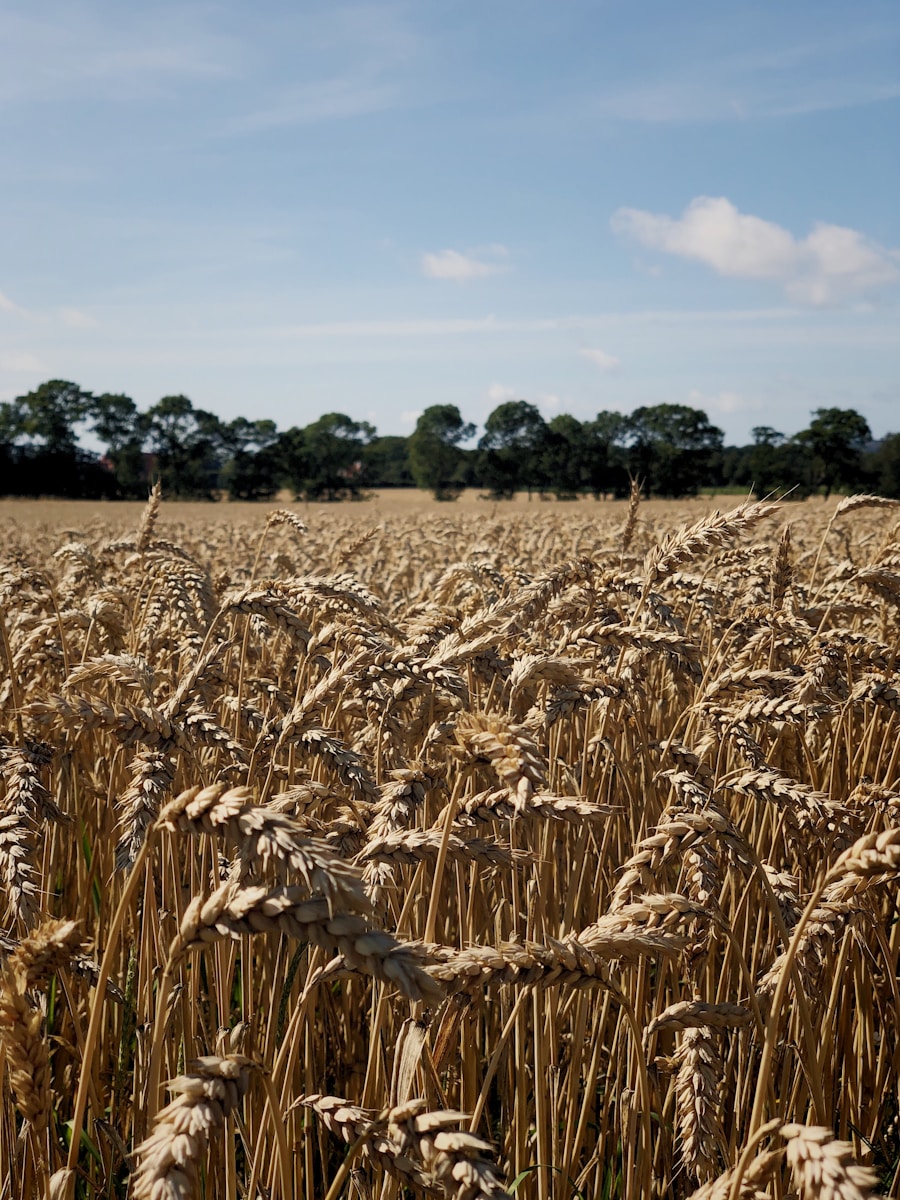
Barley fields—the foundation of Carlsberg's regenerative sourcing commitment. (Unsplash / Magnus Jonasson)
Blockchain Traceability: From Field to Bottle
Here's where it gets concrete. Consumers can scan a QR code on 1664 Blonde packaging and access blockchain-enabled information about the barley's journey—from the field where it was grown to the bottle in their hand. Over 370,000 users have already engaged with the traceability system, checking brewing dates, bottling dates, and the farms that supplied the malt.
That level of transparency is unprecedented for a mass-market beer. It turns "sustainable" from a claim into a verifiable fact. It also creates accountability: if a farmer drops out of the program or fails to meet standards, the supply chain knows. The blockchain doesn't allow for greenwashing.
According to Carlsberg Group's case study, the partnership with Soufflet "recently reached a major milestone with the signing of a multi-year contract covering the 2026 and 2027 harvests. This ensures that 1664 Blonde in France will be brewed with 100% traceable barley malt from an exclusive, segregated and innovative supply chain."
Why 1664 Blonde?
1664 Blonde is Kronenbourg's flagship—a French blonde ale with a distinctive citrus and fruit character. It's widely distributed, widely consumed, and widely recognized. Choosing it for the regenerative rollout sends a clear message: this isn't a side project. It's core to the brand.
The scale also forces the supply chain to adapt. You can't source 100% regenerative barley for 10% of the French beer market with a handful of farmers. You need hundreds. The growth from 45 to 216 farmers in three years shows that the model works—and that farmers see value in participating.
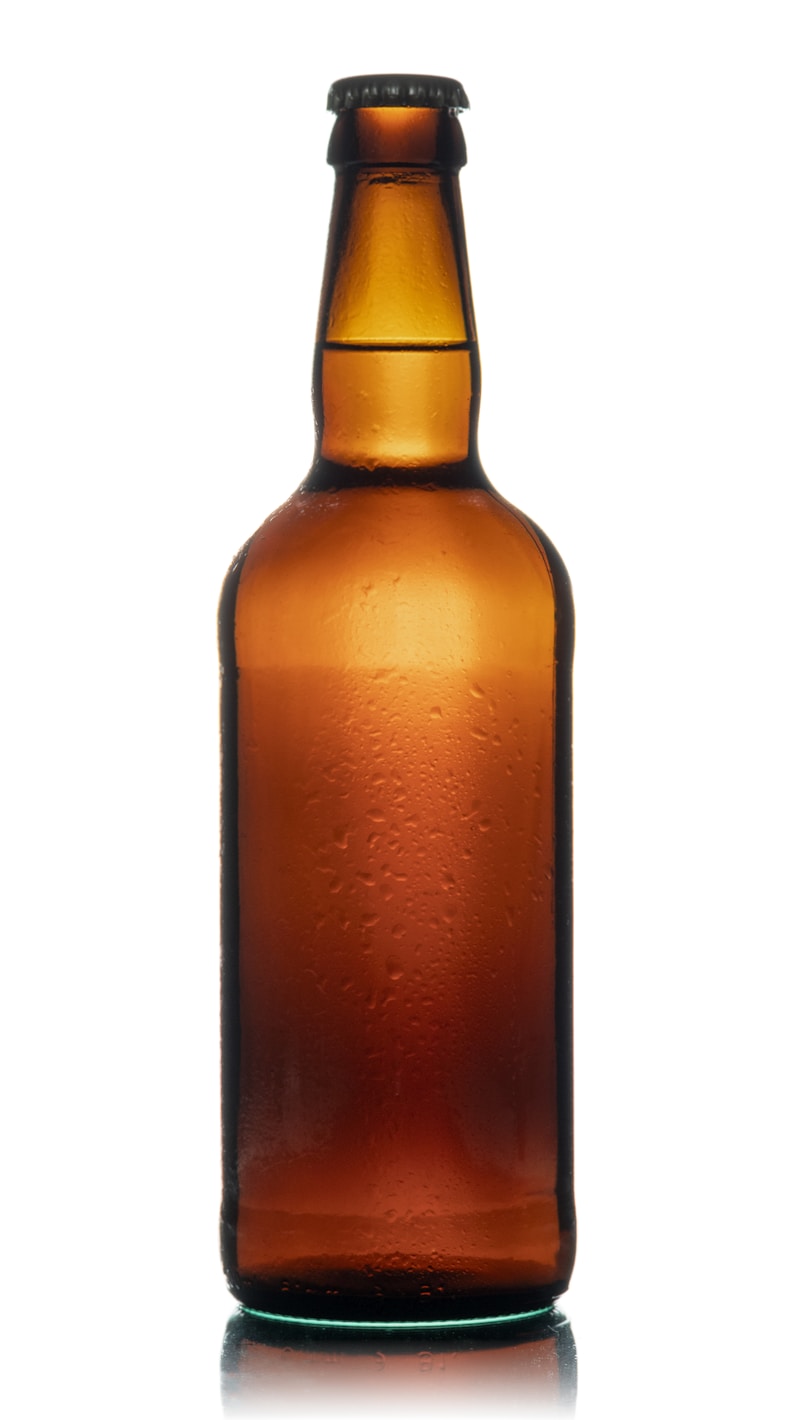
Traceable barley from field to bottle—Carlsberg's 1664 Blonde leads the way. (Unsplash / Jan Gunnar Nygård)
The Ripple Effect
Carlsberg isn't stopping at France. The company has announced plans to expand regenerative barley usage across brands in the UK, Finland, and France. In Denmark, Carlsberg has begun sourcing malt barley grown using regenerative principles. In the UK, the goal is 100% regenerative barley by 2031.
The industry is watching. Other major brewers will face pressure to match or exceed Carlsberg's commitment. Retailers and distributors are increasingly asking for sustainability documentation. Consumers—especially younger ones—are more likely to choose brands that can prove their environmental claims.
For craft breweries, the implications are twofold. First, regenerative and traceable malt may become more available as the supply chain scales. Second, the bar for "sustainable" claims is rising. "We use local ingredients" won't be enough. "We use traceable, regeneratively grown barley" might become the new standard for brands that want to differentiate on sustainability.
The Synthesis: From Buzzword to Baseline
Carlsberg's 1664 Blonde commitment marks a turning point. "Sustainable beer" is moving from a marketing tactic to a supply chain requirement. When a beer representing one in ten French beers consumed can guarantee 100% traceable, regeneratively grown barley, the excuse that "it's too hard" or "it doesn't scale" no longer holds.
The real innovation isn't the farming practices—those have been known for decades. It's the integration: the partnership with maltsters and grain buyers, the blockchain traceability, the multi-year contracts that give farmers certainty, and the consumer-facing transparency that creates accountability. Carlsberg has built a system, not just a campaign.
For the broader beverage industry, the lesson is clear. Sustainability that stays in the marketing department is vulnerable to skepticism. Sustainability that reaches into the supply chain, that farmers and maltsters and consumers can verify, is durable. 1664 Blonde is proof that it can be done at scale. As the program expands to the UK, Finland, and beyond, retailers will ask for similar commitments from other brands. The bar for "sustainable beer" has been raised.
Consumer Engagement and the QR Code
The blockchain traceability isn't just a technical achievement—it's a marketing tool. Over 370,000 users have scanned the QR code on 1664 Blonde packaging to learn about the barley's journey. That level of engagement suggests that consumers care about transparency. They want to know where their food and drink come from. The QR code delivers that in a format that's easy to access: pull out your phone, scan, and explore. The data includes brewing dates, bottling dates, and farm information. For a mass-market beer, that's unprecedented. Breweries considering similar initiatives should note: the technology exists, the consumer appetite exists, and the supply chain can scale. Carlsberg has proven it.
The Farmer Perspective
The success of the Responsible Barley program depends on farmer participation. Carlsberg and Soufflet have made the economics work: multi-year contracts provide certainty, and the specifications—while demanding—are supported with technical assistance and clear standards. The growth from 45 to 216 farmers in three years suggests that the model is attractive. Farmers who adopt regenerative practices often see benefits beyond the premium: improved soil health, reduced input costs over time, and resilience to climate variability. The program isn't just about Carlsberg's brand—it's about building a supply chain that can sustain itself. That's the definition of regenerative in the fullest sense: the system renews itself.
Sources: Carlsberg Group – Rethinking the barley supply chain; Carlsberg Group – Regenerative barley in UK, Finland, France; InVivo – 1664 Blonde regenerative barley; Carlsberg Denmark – First beer with regeneratively grown raw materials.
Operational discipline matters when you're tracking ingredient sourcing and lot documentation. BrewLedger helps craft breweries manage batches, inventory, and traceability—see how it works when you're ready.