
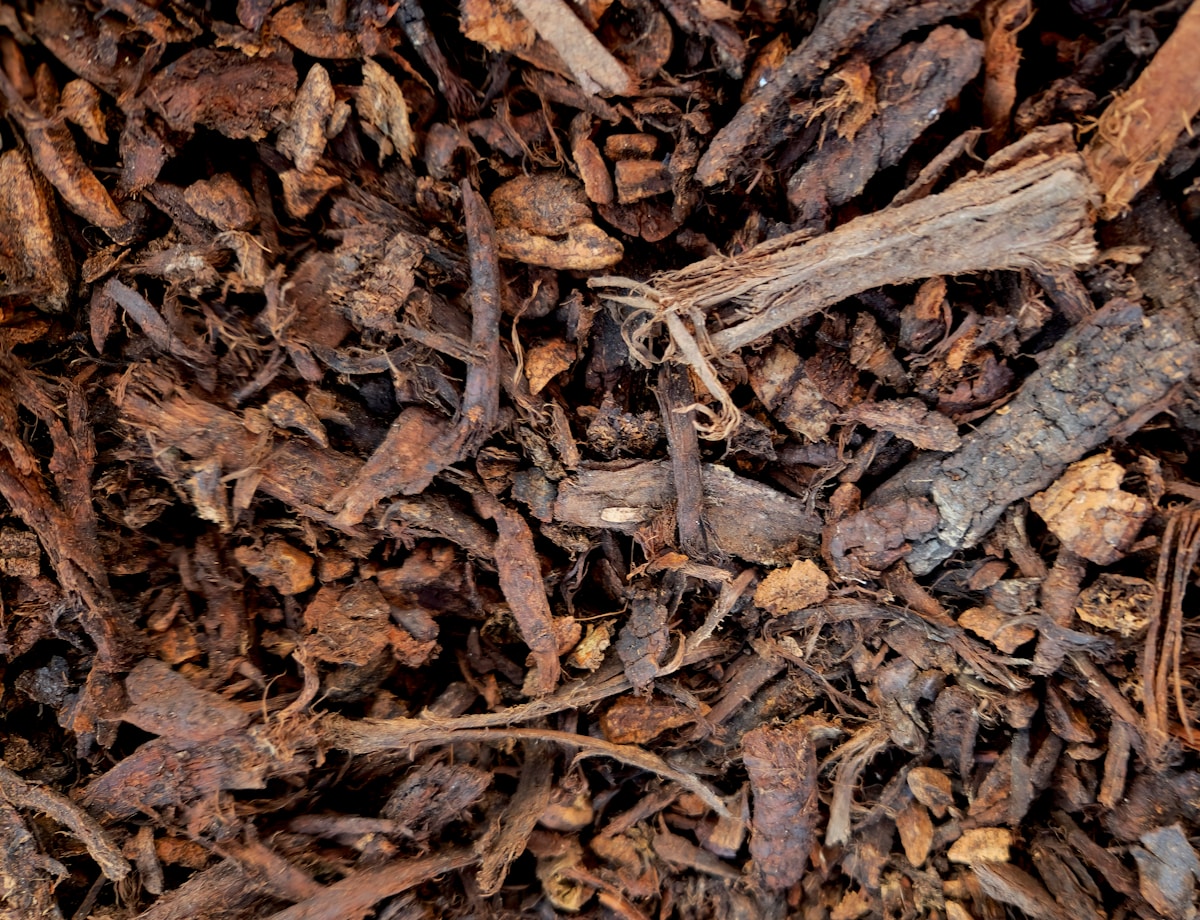
Breweries produce a lot of waste. Spent grain. Wastewater. Yeast slurry. For decades, the default was disposal—pay to haul it away, pay landfill fees, or give spent grain to farmers who might use it as feed. The cost was a line item. The environmental impact was someone else's problem.
That's changing. A new generation of companies is turning brewery waste into valuable products—fertilizer, animal feed, energy—through circular economy models. Oregon-based Chapul Farms is at the forefront. The McMinnville facility processes food waste, including brewers' grain, using Black Soldier Fly larvae to produce high-protein animal feed and nutrient-rich fertilizer. The result: waste becomes revenue, disposal costs drop, and breweries close the loop.
This isn't just sustainability theater. Rising waste-disposal costs are squeezing brewery margins. Creating agricultural byproducts isn't just good for the planet—it's good for the bottom line. Chapul Farms and similar operations are proving that the circular economy can scale.
How Chapul Farms Works
Chapul Farms operates the Chapul Innovation Center in McMinnville, Oregon, processing food waste since 2021. The facility accepts pre-consumer food waste including fruit and vegetable scraps, brewers' grain, and general food waste. Black Soldier Fly larvae consume the waste, converting it into two products:
- Animal feed – High-protein feed for aquaculture, poultry, and livestock
- Fertilizer – Nutrient-rich soil amendment made from Black Soldier Fly frass (excrement and exoskeletons)
According to Oregon Sea Grant, research at the facility has focused on identifying optimal feedstock combinations for larval growth. Brewers' grain is a particularly strong candidate—it's consistent, nutrient-dense, and produced in large volumes by breweries of all sizes.
The company is expanding. An announced 45,000-square-foot facility in McMinnville is planned to open in Q2 2027, with capacity to process 15,000 tons of food waste annually and produce over 2,000 tons of animal feed and fertilizer. Projected impacts include reducing food waste by 16,000 tons per year and cutting CO2 emissions by 5,000 metric tons.
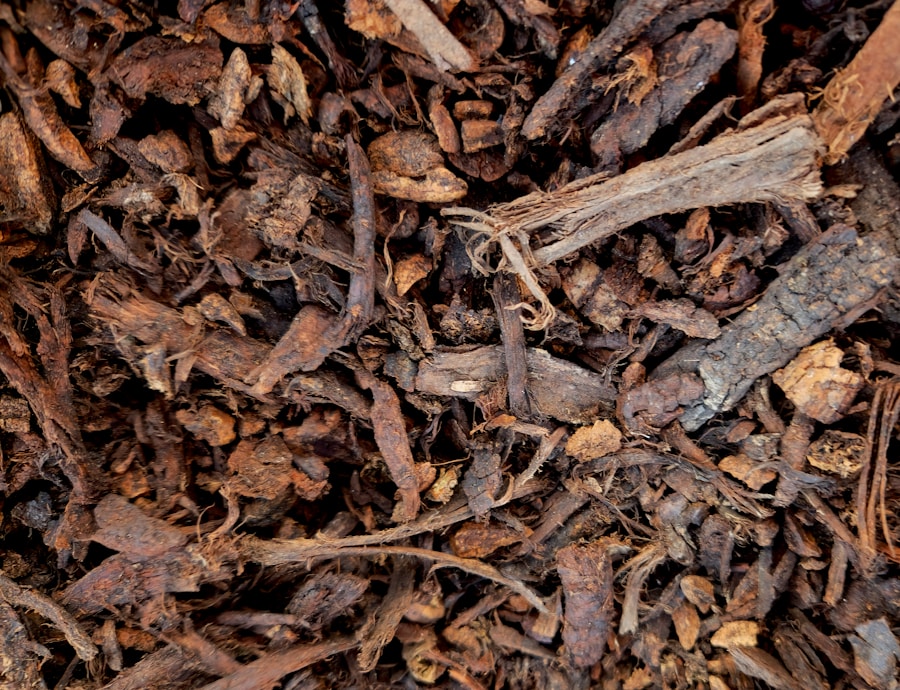
Organic waste from breweries can be valorized into fertilizer. (Unsplash / Zoshua Colah)
The Brewery Waste Problem
Breweries generate substantial organic waste. Spent grain is the largest by volume—roughly 20 pounds per barrel of beer produced. Traditionally, it's given to farmers for cattle feed or composted. But as breweries scale and disposal costs rise, the economics shift. Paying to haul waste is expensive. Landfill fees add up. Environmental regulations are tightening.
The circular economy model flips the script. Instead of paying to dispose of waste, breweries can sell it—or partner with processors who turn it into products. Chapul Farms and similar operations (like Austria's Brewcycle, which converts beer waste into 100% organic fertilizer) create a market for what was once a cost center.
According to New Hope Network and similar industry sources, the beverage waste-to-fertilizer pipeline is gaining traction. Brewcycle's model in Austria shows that brewery organic waste can be analyzed, enhanced for nutrient profile, and distributed to farmers as an affordable alternative to conventional fertilizers. Testing has shown comparable performance to conventional options on crops like corn.
The Broader Circular Economy Landscape
Brewery waste valorization extends beyond spent grain. Hepworth Brewery in the UK pioneered a fully circular wastewater-to-energy system using electro-methanogenesis technology. Brewing produces up to 6 pints of wastewater per pint of beer. The WASE system treats 17m³ of brewery wastewater daily, generating 362 MWh/year of renewable energy while producing nutrient-rich digestate for local farmers as organic fertilizer. That eliminates hundreds of tanker trips annually and saves 100+ tonnes of CO₂.
Co-digestion of brewer's spent grain and brewery wastewater in anaerobic digestion systems can produce 85% more energy than treating either stream alone. The science is there. The economics are improving. The question is adoption.
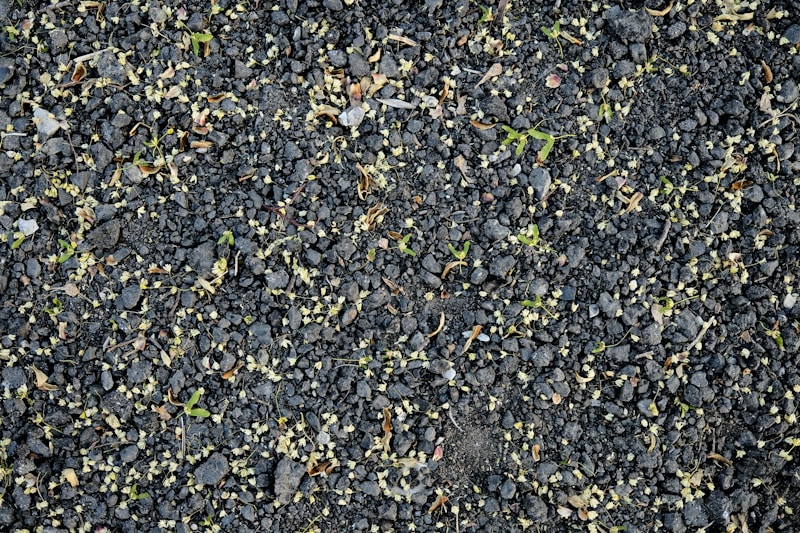
Spent grain: from brewery byproduct to regenerative fertilizer. (Unsplash / Egor Komarov)
What It Means for Breweries
For breweries, the opportunity is twofold. First, reduce disposal costs. Partnering with a processor like Chapul Farms can turn a cost into a revenue stream or at least a neutral exchange. Second, strengthen sustainability credentials. "Our spent grain becomes fertilizer" is a stronger story than "we give our spent grain to farmers." It's verifiable, traceable, and aligned with consumer expectations.
The challenge is logistics. Not every brewery is near a processor. Small breweries may not produce enough volume to justify a pickup. But as the network of processors grows—as Chapul Farms expands, as similar models emerge in other regions—the barriers will drop. The circular economy for brewery waste is still early. It's also inevitable.
The Synthesis: Waste as Asset
The Chapul Farms story reframes brewery waste. It's not something to get rid of. It's a feedstock—a raw material that can be transformed into products with value. That shift in mindset is what drives the circular economy. When waste becomes an asset, the incentives align. Breweries want to produce more of it (more beer = more spent grain) and processors want to receive it. The system becomes self-reinforcing.
For the broader beverage industry, the lesson is clear: waste is a design flaw. The breweries that thrive in the next decade will be those that minimize waste, valorize what remains, and build partnerships that close the loop. Chapul Farms is one model. There will be others. The direction is set.
Beyond Spent Grain: Liquid Waste and Wastewater
Chapul Farms focuses on solid food waste, including brewers' grain. But breweries also produce liquid waste—wastewater from cleaning, yeast slurry, and other byproducts. The circular economy model extends there too. Hepworth Brewery in the UK uses electro-methanogenesis to treat wastewater, generating renewable energy and producing digestate for farmers. Co-digestion of spent grain and wastewater can produce 85% more energy than treating either stream alone. Brewery waste valorization isn't a single solution. It's a suite of options—solid waste to fertilizer and feed, liquid waste to energy and nutrients—that together can significantly reduce a brewery's environmental footprint and disposal costs.
Chapul Farms' expansion to a 45,000-square-foot facility in Q2 2027 will make it one of the largest insect-based waste processors in the region, with capacity for 15,000 tons of food waste annually. Breweries in Oregon, Washington, and Northern California will have a viable partner for spent grain and food waste. Breweries that partner early will benefit from established relationships and predictable pickup schedules. The circular economy for brewery waste is no longer experimental—it's a viable business model with real environmental and economic benefits.
The Logistics and Economics
For a brewery to participate in a circular economy model like Chapul Farms, the logistics have to work. Pickup schedules, storage requirements, and volume minimums all matter. Chapul's expansion will make it easier for more breweries to participate—especially those in the Pacific Northwest. The economics are compelling: instead of paying for disposal, breweries may receive a modest revenue stream or at least avoid disposal costs. The environmental story—reduced landfill, lower emissions, nutrient cycling—strengthens sustainability claims and can resonate with consumers and retailers who increasingly ask about environmental practices. For breweries pursuing B Corp certification or similar credentials, waste valorization is a tangible, verifiable improvement.
Sources: Chapul Farms – Our Farm; Oregon Sea Grant – Chapul Farms success story; Brewcycle – From beer waste to sustainable fertilizer; WASE – Hepworth Brewery circular wastewater.
Operational discipline matters when you're tracking waste streams and byproduct valorization. BrewLedger helps craft breweries manage batches, inventory, and production—see how it works when you're ready.