Bock is one of those styles that shows up on shelves every spring—"Maibock," "Helles Bock," "Doppelbock"—but rarely gets a clear explanation. Is it just "strong lager"? Is it a winter beer? Why are there goats on so many labels? And why do some bocks drink like smooth toast while others taste like liquid fruitcake at 9% ABV?
If you're running a taproom, managing a beer program, or just trying to understand the strong lager section at your local shop, it helps to have a mental map of bock. This guide walks through what bock beer is, where it came from, how the main substyles differ, when to put them on, and which classic examples are worth seeking out.
What Is Bock Beer?
At its core, bock is a family of strong, malt-forward German lagers. Compared with everyday Helles or Pils, bocks are:
- Stronger: most range from about 6.3% to 7.5% ABV; Doppelbock can run 7%–10% ABV or higher.
- Malt-driven: rich bread crust, toast, caramel, and sometimes dark fruit. Hop bitterness is just high enough to keep things from cloying.
- Clean-fermented: brewed with lager yeast at cool temperatures, so there’s very little yeast-driven fruit or spice. The malt has the spotlight.
Modern style guidelines (like the Beer Judge Certification Program, BJCP) break the family into four main variants:
- Traditional Bock (5B) – dark, toasty, 6.3%–7.2% ABV.
- Helles Bock / Maibock (4C) – paler, hoppier, springtime bock at 6.3%–7.4% ABV.
- Doppelbock (5C) – very strong, rich "double bock," 7%–10% ABV.
- Eisbock (9A in older guidelines) – an even stronger, concentrated offshoot made by partially freezing the beer and removing ice.
Within that framework, breweries have a lot of room to express their house character. Some bocks lean leaner and drier, others are dessert in a glass. But compared to an IPA or stout, the center of gravity is surprisingly tight: rich malt, smooth lager fermentation, and gentle bitterness.
A Short History of Bock: From Einbeck to Bavaria
Einbeck and the first "bocks"
The story starts in Einbeck, a brewing town in Lower Saxony, northern Germany. By the 14th century Einbeck was shipping strong, export-oriented beers around Europe via the Hanseatic League. Those early beers weren’t lagers yet—they were top-fermented— but they were strong, well-hopped, and prized enough that other cities tried to copy them.
Centuries later, Bavarian brewers in Munich adopted the style, but with a twist: they used their local pale and Munich malts and, crucially, lager yeast. As the style moved south, the name shifted with it. When Munich drinkers asked for beer "from Einbeck" in their own accent, Einbeck sounded like ein Bock—German for "a billy goat." The pun stuck. To this day, goats show up on countless bock labels.
Monks, "liquid bread," and Doppelbock
One of the most famous offshoots of bock is Doppelbock, created by Paulaner monks in 17th‑century Munich. The monks needed something substantial to sustain them during Lenten fasts, when solid food was limited. They brewed a very strong, nutrient-dense lager—so rich that it became known as Flüssiges Brot, liquid bread.
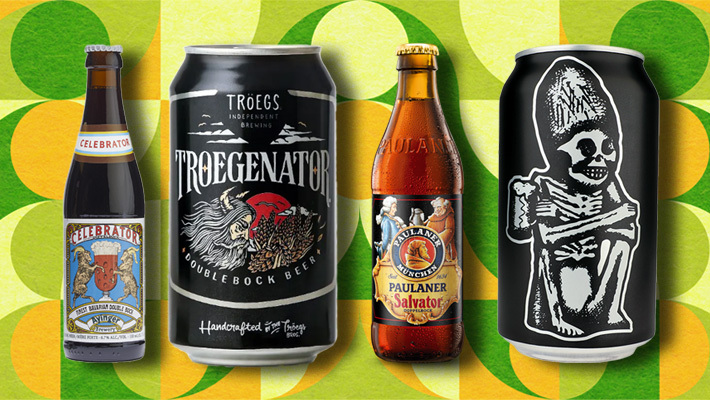
Paulaner’s original Doppelbock, Salvator, is still brewed today and is widely considered the "father of all double bock beers." Many Doppelbocks pay tribute by naming their beers with the "‑ator" suffix (Celebrator, Optimator, Animator, etc.).
Over time, bock styles diversified:
- Traditional Bock held onto the darker, toasty profile.
- Helles Bock / Maibock emerged as a paler, hoppier version for spring festivals, especially around May (Mai).
- Eisbock developed later in Franconia as a way to intensify strong lagers even further via ice-concentration.
But the throughline has been the same for centuries: celebration beer. Bocks show up at season changes, religious holidays, brewery anniversaries, and moments when you want something more substantial than a 4.8% Helles.
Bock Beer Styles: How They Differ
Traditional Bock (Dark Bock)
If you see "Bock" on its own—no "Doppel," no "Helles"—you’re probably looking at Traditional Bock.
- Color: light copper to deep brown, often with ruby highlights.
- ABV: roughly 6.3%–7.2%.
- IBU: about 20–27. Enough bitterness to balance the malt, but hops stay in the background.
- Malt profile: rich toasty and bready malt from Munich and Vienna malts, sometimes a touch of caramel. Roast is mild; this is not a stout.
- Fermentation: clean lager profile—no banana, clove, or big esters. Alcohol warmth can be gentle but shouldn’t be hot.
Think liquid toasted bread with a hint of caramel and nuts. For a brewery or beer buyer, this is the textbook "bock"—perfect for fall and winter handles when you want something richer than Märzen but short of a full Doppelbock.
Helles Bock / Maibock
Helles Bock ("pale bock") and Maibock ("May bock") are essentially the same style in modern guidelines. They bridge the gap between rich malt and spring‑ready drinkability.
- Color: deep gold to light amber.
- ABV: about 6.3%–7.4%.
- IBU: 23–35. Noticeably more hop bitterness than dark bock.
- Malt profile: base of Pilsner malt with some Vienna or Munich for depth—grainy‑sweet, bready, lightly toasty.
- Hop character: more present than in dark bock, usually noble hops (Hallertau, Tettnang, Spalt) giving herbal, spicy, or floral notes.
- Finish: drier and more attenuated than dark bock—this is important. It should feel firm and crisp, not sticky.
In practice, Maibock is a strong, pale lager that drinks like an amped‑up Helles or Festbier. It’s the classic spring seasonal in many German breweries—big enough for cool nights, bright enough for patio weather.
Doppelbock
Doppelbock literally means "double bock," and the style drinks like traditional bock turned up in every direction.
- Color: deep gold to dark brown, often with garnet highlights. Dark versions lean toward caramel, toffee, and dark bread; pale versions drink like turbo‑charged Helles Bock.
- ABV: typically 7%–10%.
- IBU: about 16–26. Bitterness is low relative to gravity; balance is malt‑forward.
- Malt profile: layers of toast, bread crust, caramel, toffee, and sometimes dark fruit (plums, raisins). Alcohol warmth can be present but should be smooth.
- Body: medium‑full to full. You should feel the density on your palate.
Historically, Doppelbocks were Lenten beers and special‑occasion releases. Today they’re excellent cold‑weather beers and cellar candidates. Well‑made Doppelbocks age into sherry‑like, figgy complexity.
Classic examples include:
- Paulaner Salvator (Munich) – the archetype; rich, malty, slightly toasty with caramel and bread crust.
- Ayinger Celebrator (Aying) – darker and more complex, with hints of coffee, dark fruit, and a famously creamy texture.
If you stock or brew only one bock style, Doppelbock is often the most crowd‑pleasing—especially for drinkers who love malty beers but don’t want roast.
Eisbock
Eisbock is the wildest member of the family and the least common. It’s made by:
- Brewing a strong dark bock or Doppelbock.
- Partially freezing the finished beer.
- Removing ice crystals (mostly water), which concentrates alcohol, body, and flavor.
The result is an intensely rich, sweet, and warming beer—often 9%–14% ABV—with concentrated malt, dark fruit, and caramel. Because of the production method and strength, Eisbock tends to be a niche beer or a small‑format specialty rather than an everyday tap line.
How Bock Is Brewed (In Practice)
If you’re a brewer or just curious about what’s in the glass, most bocks share a few production themes:
- Grain bill:
- Traditional Bock and Doppelbock lean heavily on Munich and Vienna malts for deep bread crust and melanoidin character.
- Helles Bock uses more Pilsner malt, with Vienna/Munich as supporting players.
- Some brewers use small amounts of Caramunich, Carafa, or other specialty malts; roast should be restrained.
- Mashing:
- Classic recipes used step mashes or decoction (boiling portions of the mash to intensify malt flavors). Many modern breweries mimic this with single‑infusion mashes plus melanoidin‑rich malts.
- Hops:
- Bittering is typically from German noble varieties (Hallertau, Tettnang, Spalt, Perle).
- Late hop flavor is low to moderate at most—especially in darker bocks—more noticeable in Helles/ Maibock.
- Fermentation & lagering:
- Fermented cool with lager yeast (46–52°F / 8–11°C).
- Lagered cold for weeks to months to smooth out alcohol and meld malt flavors.
The key is balance. These are strong beers, but when they’re brewed well they don’t taste hot or cloying—they read as rich, smooth, and satisfying.
How Bock Tastes vs. Other Lagers
If you’re used to German Pils, Helles, or Märzen, here’s how bock stacks up:
- Compared to Helles: bock is stronger, darker (except Helles Bock), and much richer. Where Helles is everyday beer, bock is seasonal or celebratory.
- Compared to Märzen / Festbier: traditional bock is stronger and maltier, with more depth of melanoidin character and less focus on drink‑all‑day balance.
- Compared to Dunkel: Dunkel is malt‑forward but typically 4.5%–5.5% ABV. Bock is a size up in strength and intensity.
- Compared to strong ales: bock gives you similar malt richness with a cleaner fermentation profile and crisper finish than many strong ales or barleywines.
For retail and taproom staff, these comparisons make it easier to guide guests: "If you like Märzen and Dunkel, you’ll probably love Bock; it’s the strong, celebratory cousin."
When to Drink (or Serve) Bock
Bock isn’t locked to one season, but each substyle has a natural home:
- Traditional Bock – fall and winter; great for cool evenings, German food nights, and as a richer alternative to Märzen.
- Helles Bock / Maibock – late winter through spring; launch around March and ride it through May as a strong golden lager.
- Doppelbock – deep winter, Lent, and special events; excellent for limited releases, vertical tastings, and cellar programs.
- Eisbock – after‑dinner or special‑occasion pour; best in small glasses, often shared.
For breweries, bock offers a way to differentiate beyond hazy IPA and pastry stout. For retailers, it’s a style that can anchor seasonal displays—"Strong German Lagers for Spring" or "Malty Winter Lagers"—and introduce drinkers to the lager world beyond Pils.
Food Pairing with Bock Beer
Because bocks are malt‑forward and often slightly sweet, they’re excellent food beers:
- Traditional Bock:
- Pairs well with roasted pork, sausages, schnitzel, roast chicken, and caramelized root vegetables.
- The toasty malt echoes breading and Maillard flavors; the moderate carbonation cuts fat.
- Helles Bock / Maibock:
- Works with grilled chicken, salmon, asparagus, and spring vegetables.
- The bready malt and herbal hops complement lighter fare while the higher ABV stands up to richer sauces.
- Doppelbock:
- Great with braised short ribs, pot roast, foie gras, blue cheeses, and dessert (bread pudding, caramel flan, hazelnut torte).
- Treat it like a dessert wine or digestif; the dark fruit and caramel notes make it a natural for cheese boards.
- Eisbock:
- Pairs best with dessert or a cheese course; think chocolate torte, aged Gouda, or Stilton.
Framing bock this way helps staff and customers alike: it’s not just "strong lager," it’s an easy on‑ramp to pairing German beer with German (and non‑German) food.
Classic Bock Beers to Seek Out
If you’re building a bock shelf or just want benchmarks to calibrate your palate, these beers are widely cited as reference points:
- Paulaner Salvator (Doppelbock, Munich) – the original Doppelbock, brewed since the 17th century; rich, caramel‑toasty, and gently warming. Often described as the benchmark for the style.
- Ayinger Celebrator Doppelbock (Aying) – a darker, more layered Doppelbock with chocolate, dark fruit, and subtle roast; a perennial award‑winner and widely regarded as one of the world’s great beers.
- Einbecker Ur-Bock Dunkel / Hell (Einbeck) – modern descendants of the strong beers that gave bock its name; drinking them connects directly back to the style’s northern German roots.
- Local Maibock or Helles Bock – many American and European craft breweries brew a spring bock; try whatever is fresh and on draft in your market.
Having at least one or two of these on your radar makes it easier to evaluate new entries: does this Doppelbock feel closer to Salvator (caramel‑and‑toast) or Celebrator (dark‑fruit and chocolate)?
Buying and Cellaring Bock
Because bocks are higher in alcohol and malt, they age differently than lighter lagers:
- Freshness vs. age:
- Helles Bock and traditional bock are best fresh; you want the hop snap (for Helles) and clean malt without oxidation.
- Doppelbock and Eisbock can improve with careful cellaring (cool, dark, stable), developing sherry‑like notes over 1–3 years.
- Packaging:
- Darker, stronger bocks tend to travel better in bottle; lighter Helles Bocks show best on draft or in cans within a few months of packaging.
- Storage:
- Keep bock cold when possible. Even strong lagers will stale if left warm for months.
For breweries, calling out "enjoy fresh" vs. "age worthy" on labels or taproom menus can help guide customer expectations and reduce disappointment.
Bock Beer FAQ
Is bock beer always dark?
No. Traditional bock and most Doppelbocks are copper to dark brown, but Helles Bock / Maibock is deep golden—it looks more like a strong Helles than a dark lager.
Is bock a lager or an ale?
Modern bocks are lagers, fermented cool with lager yeast. Historically, the early Einbeck beers were top‑fermented, but today bock is firmly in the lager family.
How strong is bock beer?
Most bocks fall between 6.3% and 7.5% ABV, Doppelbocks between 7% and 10%, and Eisbocks even higher.
Why are there goats on bock labels?
Because of the wordplay between Einbeck (the northern German town where the style originated) and ein Bock ("a billy goat" in German). When Bavarians adopted the style, the goat became a visual pun for strong beer and has stuck ever since.
Sources: Wikipedia – Bock; BJCP – Helles Bock (4C), Traditional Bock (5B), Doppelbock (5C); American Homebrewers Association – Bock: The Stronger Side of Bavarian Lagers; VinePair – Bock, Doppelbock, Maibock & Eisbock Beer Style Guide; All About Beer – Ayinger Celebrator.
BrewLedger helps breweries track inventory, batches, and strong seasonal releases like bocks—so you can focus on lagering and pouring, not spreadsheets. See how it works when you're ready.