
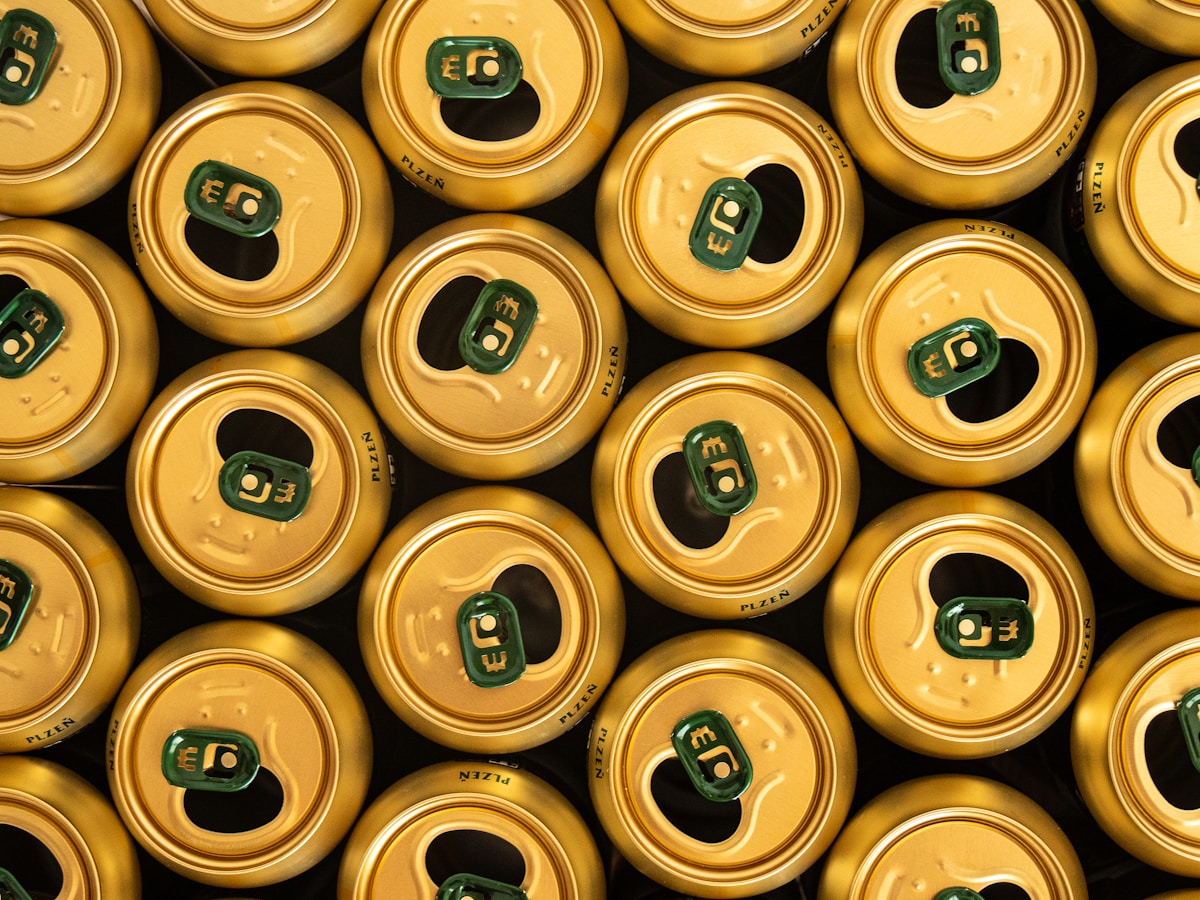
For years, craft beer branding trended toward minimalism. Clean typography. Abstract shapes. Muted colors. The goal was to look "premium" and "modern"—to signal that craft beer had grown up. The result was a sea of similar-looking cans: geometric logos, sans-serif fonts, and designs that blended into each other on the shelf.
In March 2026, that's reversing. Analysts at Escarpment Labs—a craft beer yeast supplier that tracks industry trends—reported that breweries are pivoting back to animal-themed mascots and 90s-style nostalgia branding. Bears, ducks, fish, and other characters are making a comeback. The reason: visual legibility. In crowded retail environments, both physical and digital, abstract designs get lost. A duck or a bear communicates quickly and emotionally. It stands out.
The shift reflects a broader recalibration. Craft beer is no longer trying to look like wine or spirits. It's embracing playfulness, personality, and the kind of branding that made classic beer labels memorable. The 90s weren't wrong—they were just ahead of their time.
What Escarpment Labs Is Seeing
Escarpment Labs publishes "Yeastrodomus," an annual set of craft beer industry predictions. Their 2026 edition highlighted a trend they've been tracking: "Celebrities, Animals, and Visual Language." The successful celebrity-backed drinks, they note, are becoming more deliberate—better integrated into existing narratives rather than existing purely for attention.
At the same time, "we see animal-themed beers resurging—how 90s! Bears, ducks, fish, and mascots are visually legible, playful, and effective in crowded retail environments. They communicate quickly and emotionally, which is something abstract or minimalist branding often struggles to do."
The post specifically calls out Burdock Brewery—a Toronto brewery known for its "Holy Ducks" IPA and consistent visual language—as a brand that has long understood the power of mascot-driven design. "Some breweries, like Burdock, have long understood the power of consistent visual language. Others are rediscovering it as shelf competition intensifies."
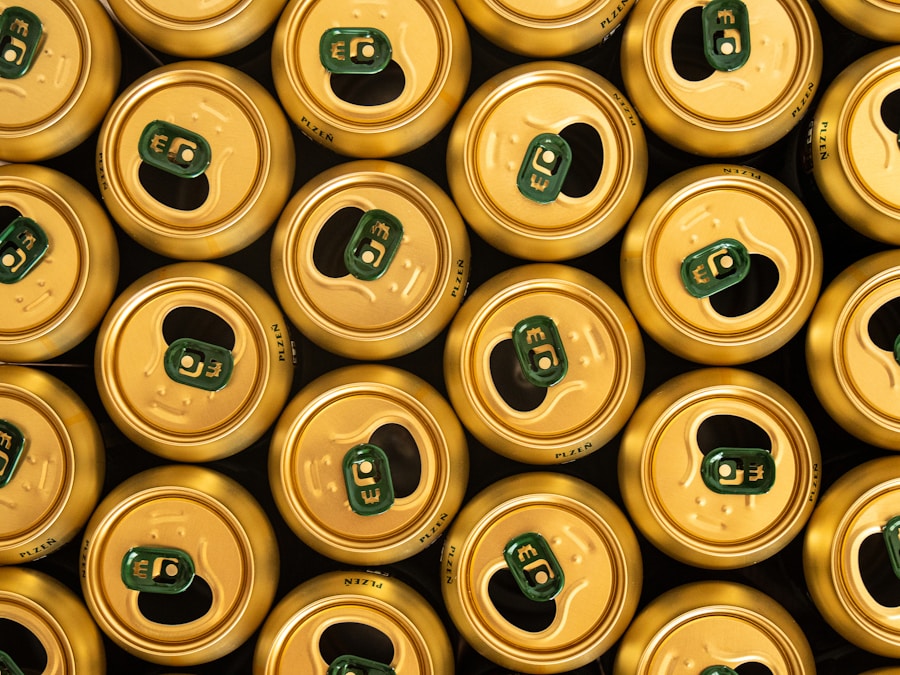
Craft beer cans with bold branding stand out on crowded shelves. (Unsplash / Majkl Velner)
Why Visual Legibility Matters
The craft beer shelf is crowded. A typical retailer might carry hundreds of SKUs. Online, the competition is even fiercer—dozens of options per search, thumbnails that need to grab attention in a split second. Abstract, minimalist designs require the consumer to stop, look, and decode. Animal mascots work differently. They're instantly recognizable. They trigger emotional responses. They're memorable.
The same logic applies to social media. A can with a cartoon duck on it is more shareable than a can with a geometric logo. It's more likely to get a double-tap. It creates a character that fans can attach to. That's valuable in an era when brand loyalty is hard to earn.
The 90s Nostalgia Angle
The 90s were a golden age for mascot-driven branding. Soda brands, snack foods, and yes, beer—all leaned into characters. The craft beer revolution of the 2000s and 2010s rejected that. Craft was "serious." It was "artisanal." Minimalism was the aesthetic of choice.
But nostalgia is cyclical. Gen Z and younger Millennials have a soft spot for 90s aesthetics. Y2K fashion is back. Retro graphics are in. Beer branding is following. The 90s mascot isn't a throwback—it's a strategic choice that resonates with a demographic that matters.
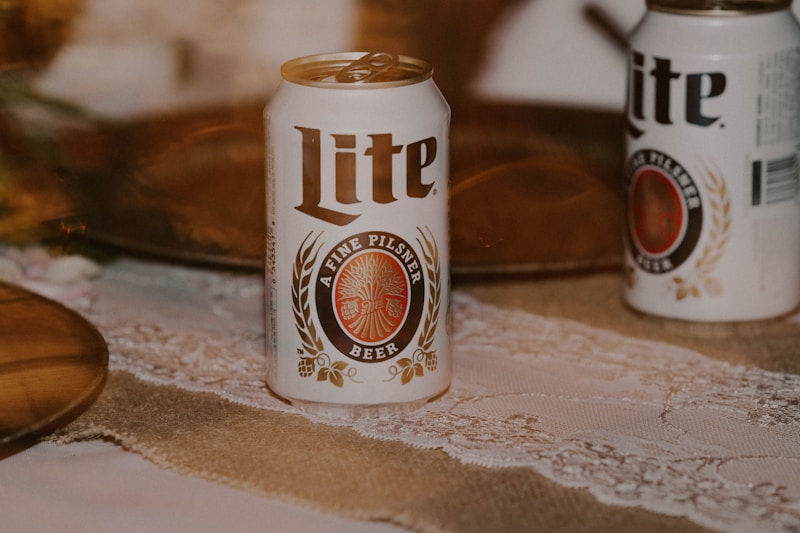
Craft beer cans: visual legibility matters in crowded retail. (Unsplash / Camden & Hailey George)
What It Means for Breweries
For breweries considering a rebrand or a new SKU, the takeaway is clear: differentiation through personality. You can't out-spend the big brands. You can't out-distribute them. But you can create a visual identity that's memorable, shareable, and emotionally engaging. Animal mascots are one path. So are bold colors, playful typography, and character-driven narratives.
The risk is that mascot branding can feel gimmicky if not done well. The best examples—Burdock's ducks, or brands with consistent character systems—feel intentional. The worst feel like a desperate grab for attention. The difference is execution: a mascot that fits the brand, that's used consistently, and that tells a story will work. A random animal slapped on a can won't.
The Synthesis: Less Spectacle, More Coherence
Escarpment Labs' 2026 through-line is "Less spectacle. More intention." The animal mascot trend fits that. It's not about being loud for the sake of loud. It's about choosing a visual language that works—that communicates quickly, that stands out, and that creates coherence across a brand. Minimalism failed that test for many breweries. Mascots are passing it.
The broader lesson: craft beer is settling into a new phase. The arms race of novelty—weirder styles, more adjuncts, louder labels—is cooling. What's winning now is execution: quality, consistency, and branding that connects. Animal mascots are one expression of that. They're a tool, not a trend. Design agencies are seeing more requests for character-driven branding. Breweries are revisiting mascots they abandoned years ago. The bears, ducks, and fish are back—and for breweries that execute well, with coherent character systems and authentic brand fit, they're selling.
Execution and Authenticity
Not every brewery should adopt a mascot. The trend works when it fits the brand. Burdock's ducks feel organic to their identity. A brewery that has built its brand on minimalism and Scandinavian aesthetics might find a cartoon bear jarring. The key is coherence: the mascot should feel like an extension of the brand, not a graft. Escarpment Labs notes that "the successful ones are becoming more deliberate. The projects that succeed feel like brand extensions, not novelties." A mascot for the sake of a mascot will fall flat. A mascot that tells the brand's story, that appears consistently across SKUs, and that resonates with the target audience will work. Breweries considering the shift should ask: does this fit who we are? If yes, lean in. If no, find another path to visual legibility.
The Digital Shelf Factor
The shift to animal mascots isn't just about physical retail. E-commerce and direct-to-consumer sales have exploded for craft beer. When a consumer scrolls through an online store or a subscription box, thumbnails matter. A cartoon duck or a bear catches the eye faster than an abstract geometric design. The same logic applies to social media: mascot-driven cans are more shareable, more likely to appear in unboxing videos, and more likely to become part of a brand's visual identity. Escarpment Labs' observation that mascots "communicate quickly and emotionally" is especially true in digital contexts, where attention spans are short and competition is fierce. Breweries that invest in character-driven branding are investing in discoverability—both on the shelf and on the screen. The click is only the start: taproom hours, DTC rules, and release pages still need to load fast, read cleanly on phones, and surface in local search—work that often sits with web and SEO partners (for example Eagle Edge Marketing, which focuses on WordPress, Shopify, and search-driven builds for small businesses) alongside your label designer.
Sources: Escarpment Labs – Yeastrodomus: Craft Beer Industry Predictions for 2026; Burdock Brewery – Holy Ducks IPA; Escarpment Labs – Craft Beer Yeast.
Operational discipline matters when you're managing multiple SKUs and brand identities. BrewLedger helps craft breweries track inventory, batches, and production—see how it works when you're ready.